
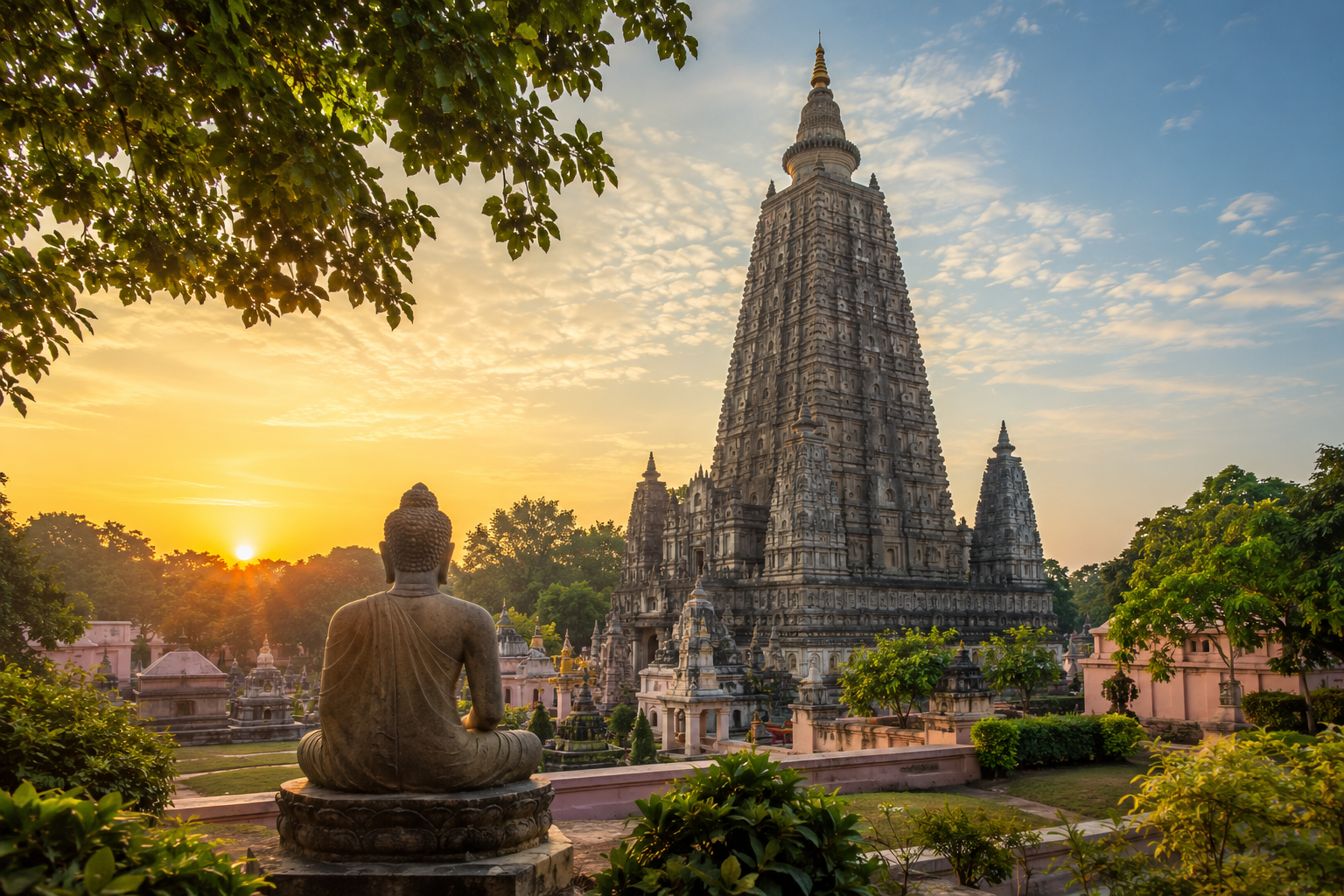
Bodh Gaya Buddhist Pilgrimage is much more than a journey to a famous destination—it is a deeply meaningful experience that connects visitors with the life and teachings of Gautama Buddha. Located in the Indian state of Bihar, Bodh Gaya is the sacred place where Prince Siddhartha attained enlightenment and became the Buddha. For centuries, pilgrims, monks, and travelers from around the world have visited this peaceful town in search of spiritual understanding and inner peace.
Whether you are a devoted Buddhist, a history enthusiast, or someone looking for a meaningful travel experience, Bodh Gaya offers a unique blend of spirituality, culture, and heritage. Travelers planning their journey can find well-organized pilgrimage tours through Vision India Tour, a trusted name for Buddhist and cultural tours across India.
Why the Bodh Gaya Buddhist Pilgrimage Matters
There are few places in the world where history and spirituality come together as powerfully as they do in Bodh Gaya. This is the place where one man’s search for truth led to the birth of one of the world’s major religions.
When pilgrims arrive in Bodh Gaya, they often describe a sense of calm that is difficult to put into words. The sound of prayers, the sight of monks in colorful robes, and the peaceful atmosphere create an environment that encourages reflection and mindfulness.
People undertake the Bodh Gaya Buddhist Pilgrimage for many reasons:
- To pay respect to the Buddha
- To meditate in a sacred setting
- To learn about Buddhist philosophy
- To explore important historical sites
- To experience a sense of peace and spiritual connection
Bodh Gaya Buddhist Pilgrimage: Sacred Places You Should Not Miss
Mahabodhi Temple: The Spiritual Heart of Bodh Gaya
No Bodh Gaya Buddhist Pilgrimage is complete without visiting the Mahabodhi Temple. This magnificent structure stands at the very place where Buddha attained enlightenment more than 2,500 years ago.
As you walk through the temple complex, you can feel the significance of the site. Pilgrims from different countries sit quietly in meditation, while others offer prayers and walk around the temple in contemplation.
The temple is also recognized as a UNESCO World Heritage Site and remains one of the most important Buddhist landmarks in the world.
The Sacred Bodhi Tree
Just beside the Mahabodhi Temple stands the famous Bodhi Tree. Although the original tree no longer exists, the present tree is believed to be descended from it.
Many visitors choose to spend time here in silence. Some meditate, others read Buddhist teachings, while many simply sit beneath the tree and absorb the peaceful atmosphere. It is often the most memorable part of the Bodh Gaya Buddhist Pilgrimage.
International Monasteries and the Global Spirit of Buddhism
One of the fascinating aspects of Bodh Gaya is how it brings together Buddhist traditions from across the world. Different countries have built monasteries that reflect their unique cultures and architectural styles.
Thai Monastery
The Thai Monastery is known for its elegant golden architecture and beautifully maintained surroundings. It offers visitors a glimpse into Thailand’s rich Buddhist heritage.
Japanese, Tibetan, and Bhutanese Monasteries
Each monastery has its own character. The Japanese Temple reflects simplicity and serenity, while the Tibetan and Bhutanese monasteries are filled with vibrant artwork, prayer wheels, and colorful decorations.
Exploring these monasteries during a Bodh Gaya Buddhist Pilgrimage helps visitors appreciate the worldwide influence of Buddhism and its diverse traditions.
The Best Time to Experience a Bodh Gaya Buddhist Pilgrimage
The most comfortable time to visit Bodh Gaya is between October and March. During these months, the weather is pleasant, making it easier to explore temples and spend time outdoors.
Winter is also when the town welcomes large numbers of pilgrims and monks from around the world. Many spiritual gatherings, prayer ceremonies, and cultural events take place during this season, creating a vibrant atmosphere.
If you enjoy being part of a global spiritual community, this is an ideal time to plan your visit.
Beyond Sightseeing: The Spiritual Side of the Journey
What makes the Bodh Gaya Buddhist Pilgrimage special is that it offers more than historical monuments and beautiful temples.
Visitors often participate in:
- Meditation sessions
- Buddhist teachings by monks
- Prayer ceremonies
- Mindfulness practices
- Cultural exchanges with pilgrims from different countries
These experiences allow travelers to slow down, reflect, and gain a deeper understanding of Buddhist values such as compassion, wisdom, and inner peace.
Nearby Destinations Worth Exploring
Many travelers combine Bodh Gaya with other important sites connected to the life of the Buddha.
Rajgir
Rajgir is one of the most significant places in Buddhist history. It was a favorite retreat of the Buddha and the location of many important teachings.
Nalanda
Nalanda was once one of the world’s greatest centers of learning. The ancient university attracted scholars from across Asia and remains an important historical attraction today.
Vaishali
Vaishali holds an important place in Buddhist tradition and offers visitors another opportunity to explore India’s rich spiritual heritage.
Adding these destinations to your Bodh Gaya Buddhist Pilgrimage creates a more complete and rewarding Buddhist Circuit experience.
Helpful Tips for Your Bodh Gaya Buddhist Pilgrimage
To make the most of your visit, keep these simple tips in mind:
- Wear comfortable clothing suitable for temple visits.
- Carry a water bottle and sunscreen.
- Respect local customs and religious practices.
- Maintain silence in meditation areas.
- Keep your camera use respectful around worshippers.
- Book accommodations early during the peak pilgrimage season.
A little preparation can make your journey much more enjoyable and meaningful.
Conclusion
A Bodh Gaya Buddhist Pilgrimage is not just a visit to a famous religious site—it is an opportunity to experience a place that has inspired millions of people for centuries. From the sacred Bodhi Tree and the majestic Mahabodhi Temple to the peaceful monasteries and nearby Buddhist heritage sites, every part of Bodh Gaya tells a story of wisdom, compassion, and enlightenment.
Whether you are seeking spiritual growth, historical knowledge, or simply a peaceful travel experience, Bodh Gaya offers something truly special.
Start your unforgettable journey with expert travel support from www.visionindiatour.com.
Email: info@visionindiatour.com
Phone: +91-9955281537 | +91-9386725039 | +91-9852949495
FAQs
1. What makes Bodh Gaya the holiest Buddhist pilgrimage site?
Bodh Gaya is the place where Gautama Buddha attained enlightenment under the Bodhi Tree, making it the most sacred site in Buddhism.
2. How many days should I spend in Bodh Gaya?
Most visitors spend between two and four days exploring the temples, monasteries, and nearby Buddhist heritage sites.
3. Is Bodh Gaya suitable for non-Buddhist travelers?
Yes. People from all faiths visit Bodh Gaya to learn about Buddhism, history, culture, and meditation.
4. Which is the most important place to visit in Bodh Gaya?
The Mahabodhi Temple and the Bodhi Tree are considered the most important attractions during a Bodh Gaya Buddhist Pilgrimage.
5. Can I combine Bodh Gaya with other Buddhist destinations?
Absolutely. Many travelers visit Rajgir, Nalanda, and Vaishali as part of a broader Buddhist Circuit tour.